

NEWS

Find event tickets here

From shared priorities to collective action.

Join us for our second workshop focusing on shaping the future of art and culture through NPOs.

In July, Citizens for Culture brought together practitioners and organisations considering applications to Arts Council England’s next National Portfolio to explore a shared question:

How could future NPOs across the West of England contribute to delivering the Citizens’ Cultural Plan?

This session is particularly relevant to cultural organisations, artists and practitioners, freelancers, partnerships and networks considering the next National Portfolio round or interested in contributing to delivery of the Citizens’ Cultural Plan.

We’d now like to reconvene that original group – and welcome practitioners and organisations who weren’t able to join us the first time around – for the next stage of the conversation.

What happened in the first Workshop?

The July session introduced the Citizens’ Cultural Plan and the developing Share/Grow/Build approach: identifying what already exists across the region that we can share, what could be developed or connected to grow, and what doesn’t yet exist and may need to be built.

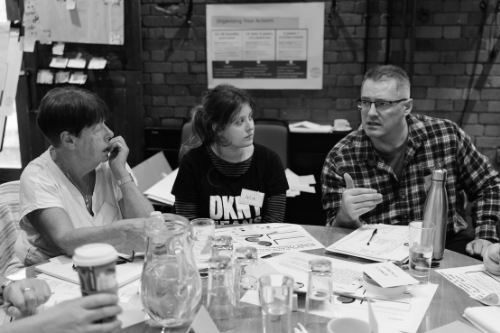
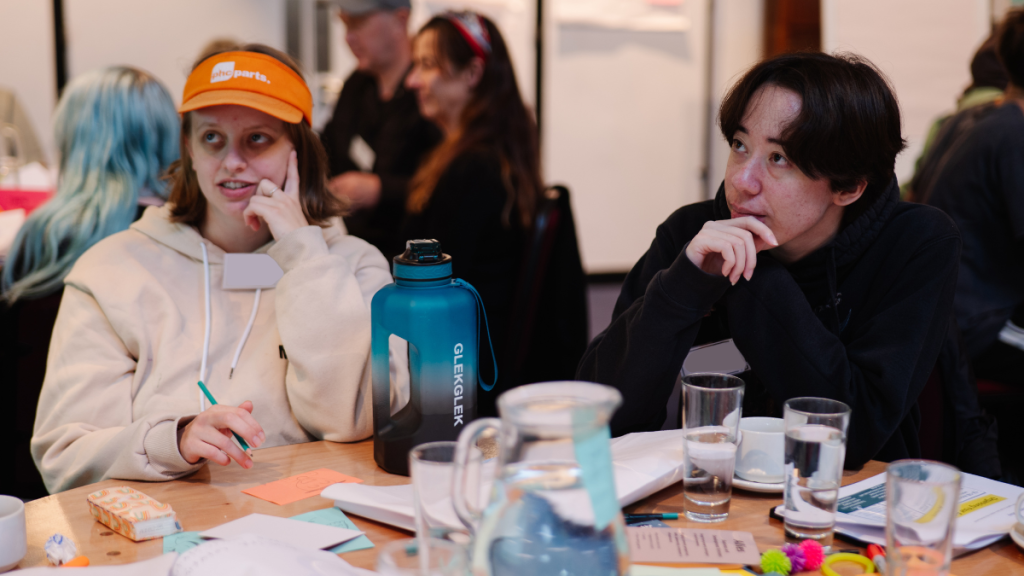
Participants then worked across the Plan’s 13 priorities, sharing existing work, ideas, resources and potential partnerships. The exercise generated 74 contributions, revealing a significant amount of activity and expertise already present across the region – as well as some clear opportunities for greater collaboration.

Ideas ranged from connecting existing cultural information and networks rather than creating new ones from scratch, to opening up public and heritage spaces; strengthening creative learning and school partnerships; sharing spaces, equipment and resources; addressing transport barriers; improving equity and transparency in funding; and creating stronger mechanisms for citizens to continue influencing cultural decisions.

You can find a more detailed summary of the first session here: 

https://docs.google.com/document/d/126kXr4ZlhDFzjxLGojvqTL_dz1gCYMhoqWLAbuzLNCQ/edit?tab=t.0

So what happens next?

The next workshop will build directly on that work.

We’ll share back what we heard in July, invite new participants to add their own perspectives and activity, and begin looking more closely at where organisations’ ambitions intersect.

In particular, we want to explore:

  • what is already happening that the region could make more of
  • where organisations might strengthen or connect existing work
  • where there are gaps that may require new approaches or partnerships
  • where two or more organisations are interested in the same Citizens’ Cultural Plan priorities
  • how the NPO opportunity could contribute to a more connected, accessible and citizen-led cultural system across the West of England.

Find event tickets here

You do not need to have attended the first workshop to take part.

We’ll begin with a concise recap so that everyone is working from the same starting point.

As with the first workshop, this is not an Arts Council England “how to apply” session. Citizens for Culture is not part of ACE’s assessment or decision-making process. It is an independent space for shared learning, connection and discussion around the Citizens’ Cultural Plan and what its citizen-generated priorities could mean for the future cultural ecology of the West of England.

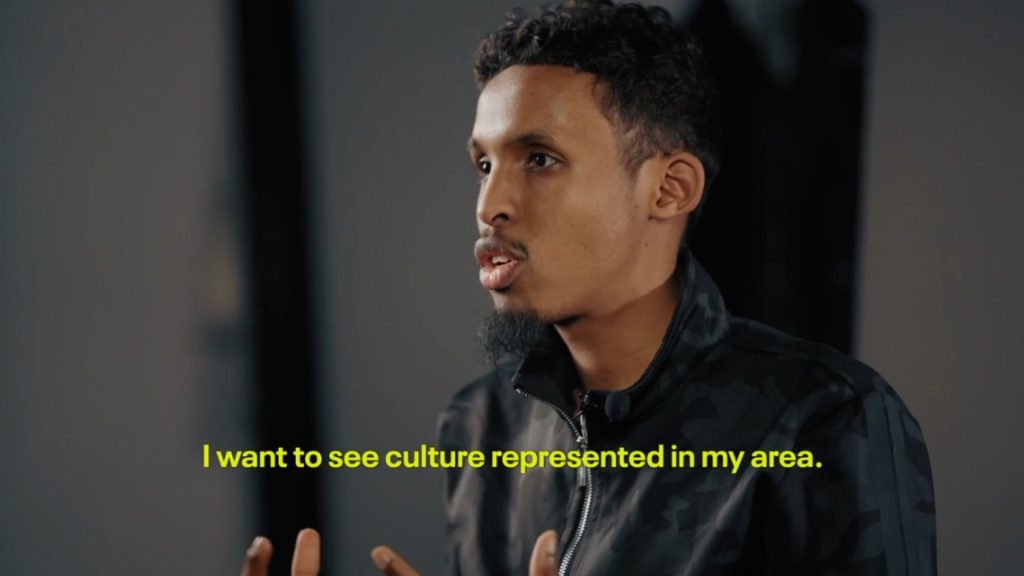
A new 16-minute independent documentary tells the story of the West of England’s Citizens’ Assembly through the people who took part – and asks what happens next. 

Watch Citizens for Culture: From Citizens’ Assembly to Action: here


A year ago, 51 citizens from across the West of England came together to ask: what would culture and creativity look like if they were for everyone? 

A new independent documentary follows their journey – why they took part, what happened when they came together, what they wanted to change, and the creation of the Citizens’ Cultural Plan. 

Told by the citizens themselves, the film explores their hopes for culture to be more accessible and representative, and the value of bringing different voices together to shape decisions. 

It follows the Assembly through to the moment the Citizens’ Cultural Plan was shared with the Mayor of the West of England – and the shift from Assembly to Action began. 

What happens next? 

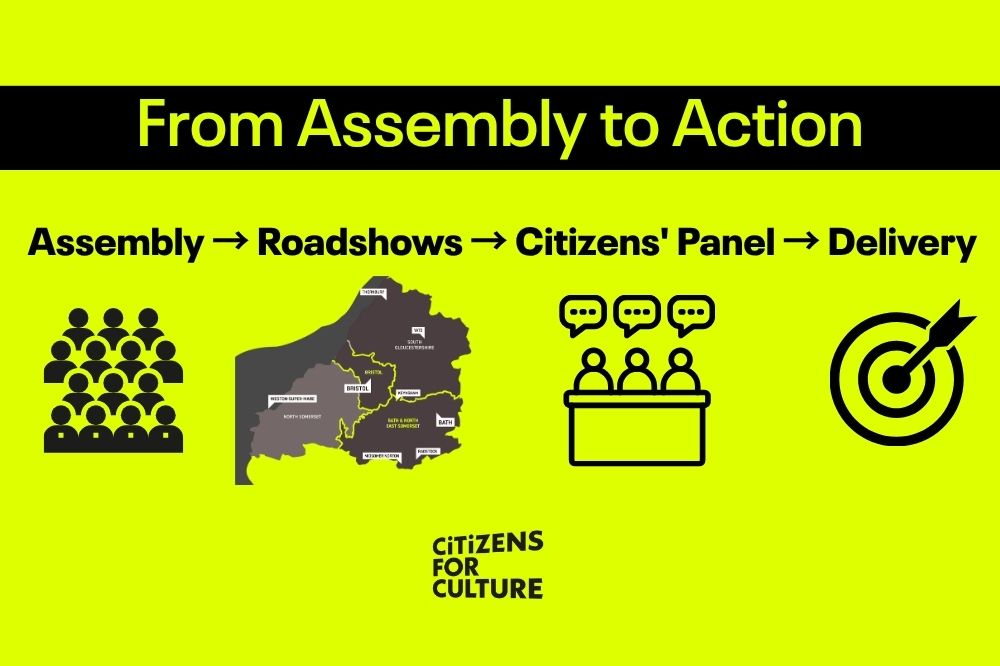
Assembly members remain involved through the Citizens’ Panel, helping to oversee delivery of the Plan over the next three years. Now we want more people and organisations across the West of England to be part of what happens next. 

Tell us how you or your organisation would like to get involved:
https://docs.google.com/forms/d/e/1FAIpQLSeN1k0tru-KMNllhWArFbKqna90tJTDNA4opb1ok9wNDtDDMA/viewform?usp=dialog    

Helen Godwin, Mayor of the West of England, said: 

From festivals and theatre to sport, film and TV, culture is a huge part of who we are in the West. Everyone across the region should have the chance to enjoy it, feel part of it and have a say in what comes next. 

That’s why I was so pleased to see 51 people from across our region come together through the Citizens’ Assembly to help develop a shared vision for culture here. Their work has given us a plan shaped by the people who live here, for the people who live here – and I’m delighted that they will continue to have a voice through the Citizens for Culture panel. I hope this film encourages even more people to get involved and play their part in the cultural life of our region. 


Since the Citizens’ Assembly concluded in November 2025, Citizens for Culture has been building momentum behind the Citizens’ Cultural Plan, working with partners across the region to explore how the priorities of citizens can become lasting action. 

We thought we would provide an update with what’s been happening as well as next steps…

C4C Roadshows have rocked!

Over the past six months, hundreds of people from across the creative and cultural sector, local authorities, universities, health organisations and communities have joined Assembly members for roadshows across the West of England. You can see a full list of the roadshows here so you know where they’ve happened and who offered to host one. 

Together we’ve explored what the citizens’ priorities mean in practice and how practitioners and organisations might work together to help deliver them. 

A huge thank you to everyone who hosted or attended a roadshow. They have proved to be an excellent way to explore how the Citizens’ Cultural Plan could best become reality. 

Share | Grow | Build

The conversations have helped develop Share | Grow | Build which is a practical framework for delivering the Citizens’ Cultural Plan. The idea of this framework originally came from the sector in response to the Assembly, providing a simple way of understanding the different ways change can happen. This is how it breaks down:

  • Share: things that are already happening across the region that can be celebrated, connected, shared or amplified
  • Grow: things that already exist but could be strengthened, expanded or developed further
  • Build: things that don’t yet exist and need to be created together.

The framework provides a way for citizens and the sector to work together as the Plan now moves into delivery.

If you haven’t yet had the opportunity to contribute to the roadshows, there’s still time. We’d love to hear your thoughts through our short online survey.

https://docs.google.com/forms/d/e/1FAIpQLSeN1k0tru-KMNllhWArFbKqna90tJTDNA4opb1ok9wNDtDDMA/viewform?usp=dialog 

Workshop for applicants to Arts Council’s National Portfolio

We’re also grateful to everyone who joined our recent workshop for National Portfolio Organisations (NPOs). The workshop explored how organisations preparing Arts Council England funding applications for 2028–33 could use the Citizens’ Cultural Plan to help shape future programmes, partnerships and investment. 

It was an encouraging conversation about how citizens’ priorities might begin influencing cultural activity across the region from the very start of the next funding period. We will be sending feedback and notes to all those who participated. 

Following requests from organisations that couldn’t attend, we’ll also be running a second workshop in September. More details will follow shortly.

The next chapter now begins.

This summer also marks the beginning of the next phase of Citizens for Culture.

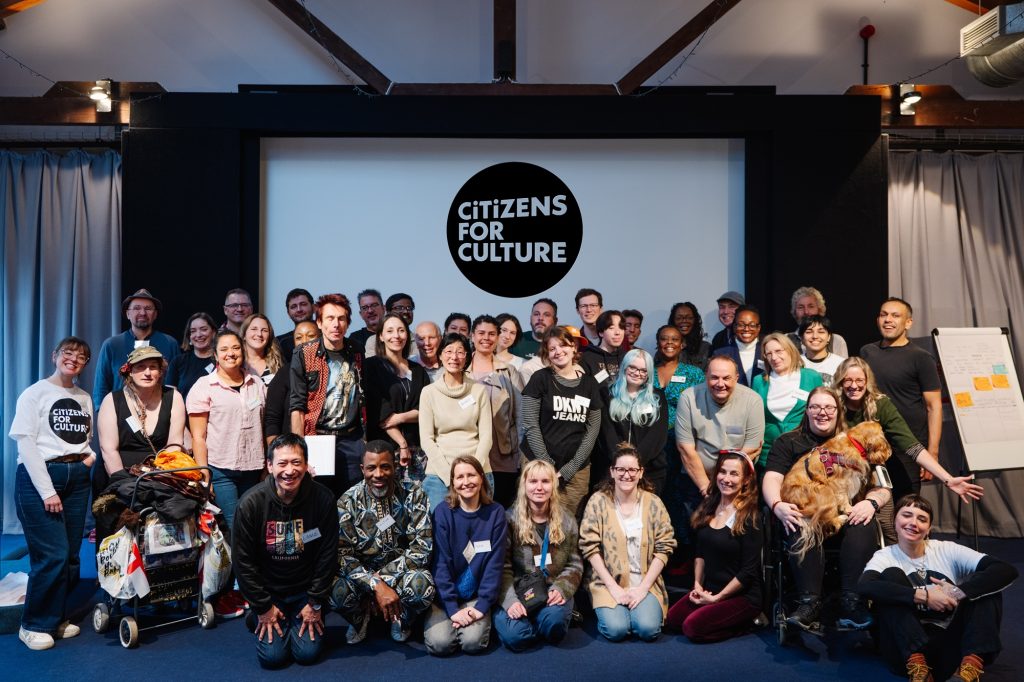
The Citizens for Culture Panel will hold its first meetings, bringing together members of the original Citizens’ Assembly to continue playing an active role in the life of the Citizens’ Cultural Plan. 

Rather than ending when the Assembly finished, citizens will continue working alongside organisations and local authorities as the Plan moves into delivery.

The Panel will help explore progress, ask questions and share ideas. It creates an ongoing partnership between citizens and the wider cultural sector as together we turn the Plan into action.

We’ll post updates from the Citizens for Culture Panel through these news pages so that anyone across the West of England can follow the conversation, see how ideas are developing and understand how the Citizens’ Cultural Plan continues to evolve in practice.

Alongside this, Citizens for Culture has been invited to apply for Arts Council England Place Partnership funding. If successful, this investment will add to the previous secured funding from Esmee Fairbairn, to support citizens, local authorities and the cultural sector to work together to deliver aspects of the Citizens’ Cultural Plan across the West of England.

As part of that application, we’re inviting organisations and individuals who share the ambition of the Citizens’ Cultural Plan to add their name to a regional Statement of Support.

You can read more about this here. 

The Citizens’ Assembly answered the question, “What should happen?” The Citizens for Culture Panel now helps ask, “How is it happening, and what should happen next?”

Look out for our next update following the first Citizens for Culture Panel meeting at the end of July.

Citizens for Culture is working with the five Authorities in our region to apply to Arts Council England (ACE) for Place Partnership funding. 

The application will be to help deliver aspects of the Citizens’ Cultural Plan across the West of England.

The Citizens’ Cultural Plan was created through the UK’s first Citizens’ Assembly for Culture. 

Over two months in Autumn 2025, a representative group of 51 citizens heard evidence from artists, freelancers, cultural organisations, community groups, educators, local authorities and many others before agreeing 13 shared priorities for the future of culture across the region.

The proposed Place Partnership would bring together Citizens for Culture, the West of England Mayoral Combined Authority and the four unitary authorities to begin turning those priorities into practical action working with the wider cultural sector. 

The proposal focuses on collaboration around many of the issues citizens identified as most important, including affordable creative space, creative learning, better use of public buildings, fairer and more transparent funding, improved access to culture and stronger partnership working across the region.

As part of the application, we are inviting organisations, freelancers and individuals to sign a simple Statement of Support.

Signing this statement of support does not commit you to project delivery, resource requirements or ongoing meetings. 

It simply demonstrates your support for the Citizens’ Cultural Plan and for the principle that citizens should continue to play an active role in shaping culture across the West of England.

If you would like to add your support, you can read the statement here  or you can just add your support here.

As organisations across the West of England begin preparing for the next Arts Council England National Portfolio round, Citizens for Culture will host an online workshop exploring how the Citizens’ Cultural Plan and the emerging Share/Grow/Build framework could help inform applications to ACE for its new portfolio of West of England organisations for 2028 and beyond.

The workshop will take place online on:

Wednesday 1 July 2026
10am–12pm

This session is for organisations, freelancers, networks and partnerships who are beginning to think about applications for National Portfolio funding from 2028 onwards.

Importantly, this is not a workshop about “how to apply” or how funding decisions will be made.

Instead, it is an opportunity to step back and explore a bigger question:

What are communities across the West of England saying they want culture to be in this region and how could that contribute to the future direction of the sector?

The workshop will draw on:

  • the Citizens’ Cultural Plan created through the Citizens for Culture Assembly 
  • learning emerging through the ongoing Citizens for Culture Roadshows 
  • including the developing Share/Grow/Build framework which is gathering insights about what already exists (share), what could be developed (grow), and what doesn’t currently exist (build) 

The timing feels particularly important. 

Arts Council England is expected to publish details of the refreshed National Portfolio process in June 2026, with full guidance for applicants expected later in the year. 

ACE has also indicated that this next NPO round will see “A set of decisions built on artform expertise and the views of local citizens.”

We are the only region in England that has a Citizens’ Cultural Plan and that feels important in terms of this NPO round. 

Over recent months, Citizens for Culture has been in conversation with organisations, networks, local authorities, funders and national partners across the region through the Roadshows. Again and again, one theme has emerged clearly: people want stronger connections between cultural decision-making and the everyday lives of communities.

This workshop is intended as a practical space for reflection, discussion and connection at an early stage in the NPO process. 

Please book your place via this link: https://www.eventbrite.com/e/citizens-for-culture-workshop-for-future-national-portfolio-applicants-tickets-1990551581364

Written by Lead Facilitator LaToyah McAllister-Jones

After launching the report from the Citizens for Culture Assembly on the 15th January, Citizens for Culture launched the next phase of the project, which is being delivered through a series of Citizens for Culture Roadshows. 

We’ve now delivered 5 roadshows across the region, including in Thornbury, a regional meeting of the Cultural Compact National Trust and with Arts Council England, South West. It has been a really interesting experience to facilitate these sessions, each of which has been vastly different in terms of size, focus and understanding of the assembly process.

What are the roadshows?

The roadshows have been designed to encourage networks of cultural practitioners and organisations to come together to focus on how we deliver on the Cultural Plan, together. The format focuses on 3 main areas:

  1. Citizen voice
    This is where people lean in. The roadshows centre the voices of the citizens from the Assembly; what it actually felt like to be in the room, to co-create a cultural plan with strangers, and what they hope happens next.
  2. Leaning in
    This is where it gets real. We start to surface the tensions and possibilities of working in a citizen-led way. For a sector used to knowing the destination before we begin, this is counterintuitive. We’re used to fixed outcomes, pre-set plans, consultation on our terms. This asks something different of us. The roadshows create space to sit with that discomfort and turn it into opportunity.
  3. The priorities
    This is about action. First, we map what’s already happening across the region; what we can share, what we can grow, and what we need to build to respond to the 13 priorities. Then we ask networks to step forward; which priorities matter most to you, and what are you willing to commit to, together?

Everywhere we go, people have been open, generous, and up for the conversation. There’s a real keenness to learn not just to listen, but to shape what comes next. And there is energy for this way of working.

But as the roadshows unfold, something is becoming clearer.

The story isn’t the same across the region but there is an emerging pattern.

In places like Thornbury, there is strong community-led activity and a clear sense of identity. People care deeply, and there’s pride in what already exists. But change is happening fast. New communities are arriving, and the infrastructure isn’t always keeping up. The challenge here isn’t a lack of culture. It’s how culture stretches to include everyone.

In organisations like the National Trust, the picture shifts. The assets are there, spaces, reach, resource, intent. There is a genuine desire to work in more inclusive, citizen-led ways. But the question becomes one of power. How far does participation really go? Who gets to shape decisions? And what does it take to shift organisational culture, not just improve engagement?

And then, at a regional level, another layer appears. There is collaboration. There are networks. There is ambition. But it’s not always clear how it all connects. For someone trying to engage, it can be hard to see where to go, how to take part, or how decisions are made. The system exists but it isn’t always visible or easy to navigate.

So as I reflect a picture is starting to come together;

  • In some places, activity exists but needs to connect and reach further
  • In institutions, assets exist but power hasn’t fully shifted
  • At a system level, ambition exists but structure hasn’t caught up
  • There is no shortage of energy but infrastructure is not equtiable
  • Inclusion is intended but intention and outreach are not the same thing
  • The system is active but not always legible from the outside

What we are being asked to do across all of this is not small.

To connect what already exists.
To build what’s missing.
And to share power in a way that feels real.

That last part matters.

Because from a citizens’ perspective, this isn’t about being invited in once decisions are made. It’s about shaping what culture looks like in the first place. And from a sector perspective, that requires a shift in how we work — how we listen, how we decide, and what we’re willing to let go of.

We know this is counterintuitive. It asks us to slow down, to open up, to work differently with each other.

So the question now is:

How do we lean in?

Not just individually, but collectively,  across places, organisations and the wider system.

Because culture is happening all around us, all the time.

The work now is making it work for everyone.